

Carlos Sheinbaum Yoselevitz was a respected Mexican chemical engineer and proud Mexican businessman. He built his career inside the leather tanning industry with discipline and vision. His company, Sintacrom de México, became a landmark in Mexico’s industrial development.
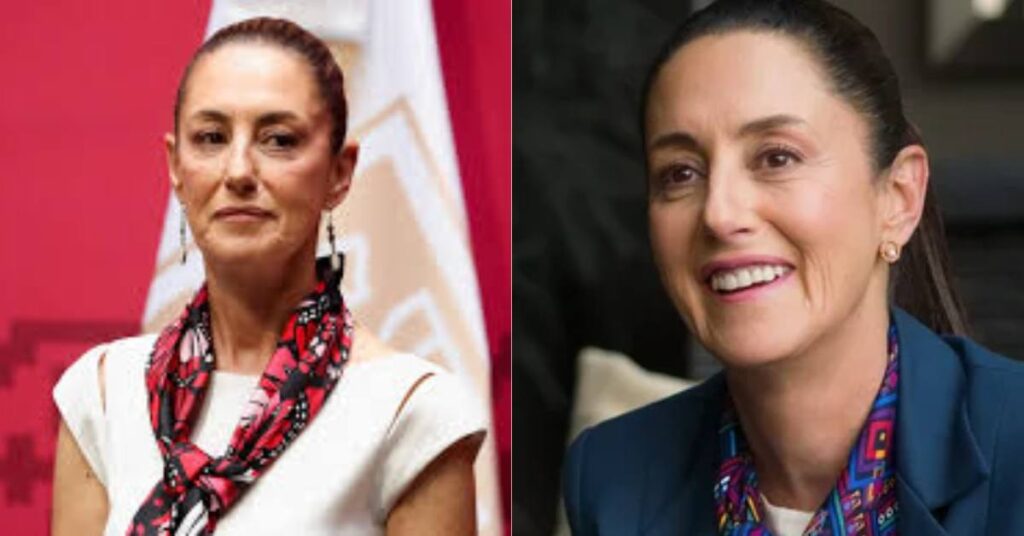
He raised three children alongside his wife, Annie Pardo Cemo, in a home rooted in science and ethics. His daughter, Claudia Sheinbaum, later became President of Mexico.
Therefore, understanding his life adds rich context to her leadership. This article covers his heritage, education, career, and lasting legacy. His story reflects immigrant resilience and Jewish heritage in Mexico at its finest.
Who Was Carlos Sheinbaum Yoselevitz?
Carlos Sheinbaum Yoselevitz was born on 25 February 1933. He passed away on 29 August 2013, leaving behind a lasting industrial legacy. He worked as a Mexican chemical engineer throughout his professional life. Furthermore, he dedicated decades to modernizing the leather tanning industry in Mexico.
He was never a politician. However, his values deeply influenced his household and children. His scientific mindset and ethical leadership shaped how his family approached public life. Consequently, his legacy lives on through Claudia Sheinbaum’s historic presidency.
Carlos Sheinbaum Yoselevitz Quick Facts
| Detail | Information |
|---|---|
| Full Name | Carlos Sheinbaum Yoselevitz |
| Date of Birth | 25 February 1933 |
| Date of Death | 29 August 2013 |
| Nationality | Mexican |
| Profession | Chemical Engineer, Industrialist |
| Ethnic Background | Ashkenazi Jewish, Lithuanian descent |
| Known For | Sintacrom de México, leather industry leadership |
| Spouse | Annie Pardo Cemo |
| Children | 3 — Claudia, Julio, Adriana Sheinbaum |
| Education | National School of Chemical Sciences; University of Guadalajara |
Early Life and Family Background
Family Origins and Migration History
His family belonged to a Lithuanian Jewish family that migrated to Mexico in the early 1900s. Like many Ashkenazi families, they left Eastern Europe seeking safety and opportunity. Moreover, Mexico offered a welcoming environment for immigrant communities during that period.
The family settled and built roots across Mexico City and Guadalajara, Jalisco, Mexico. They carried strong educational values and deep community bonds with them. As a result, Carlos grew up surrounded by intellectual ambition and cultural pride.
Jewish Heritage and Cultural Identity
His Ashkenazi Jewish heritage shaped every dimension of his personal identity. He maintained strong ties to Jewish cultural identity throughout his life. Additionally, his community participation helped preserve cultural and religious traditions actively.
Jewish heritage in Mexico created close-knit, ambitious communities across major cities. These communities valued education, entrepreneurship, and collective responsibility deeply. Carlos embodied all three values consistently and visibly.
Childhood and Early Influences
He grew up in a home that prioritized education and discipline above comfort. His parents encouraged scientific curiosity from a very early age. Consequently, he developed a strong passion for chemistry and industrial problem-solving.
His childhood coincided with Mexico’s rapid economic modernization. Therefore, he witnessed how science and industry could transform entire communities. This early exposure became the foundation of his entire career.
Education and Academic Formation
Carlos pursued chemical engineering with focused academic commitment. He studied at the National School of Chemical Sciences in Mexico City. Furthermore, he deepened his technical expertise through the University of Guadalajara.
His education gave him both theoretical knowledge and practical industrial insight. He understood chemical production, manufacturing systems, and industrial safety thoroughly. As a result, he entered professional life fully prepared and highly capable.
Professional Career and Industrial Contributions
Entry Into Chemical Engineering
Carlos entered the workforce with strong technical skills and a clear purpose. He focused specifically on the leather tanning industry, a growing sector in Mexico. Furthermore, he recognized that modernization was urgently needed across tanning factories Mexico.
He applied advanced chemical engineering principles to improve tanning processes directly. His technical contributions brought measurable efficiency and safety improvements. Consequently, factories began adopting better industrial practices under his expert guidance.
Business and Industrial Development
Carlos founded Sintacrom de México, S.A. de C.V., his greatest professional achievement. The company specialized in leather tanning chemicals and innovation in leather processing. Moreover, it became a benchmark for tanning industry modernization across Guadalajara Jalisco Mexico.
Sintacrom operated with scientific precision and strong business discipline. Therefore, it grew into a respected name within the Mexican industrial sector. Carlos managed every operational detail with consistent attention to quality and ethics.
Role in Mexico’s Industrial Growth
His work contributed directly to industrial growth in Mexico. The leather industry employed thousands of workers in multiple regions. Furthermore, improvements in industrial processes raised productivity and reduced operational waste significantly.
Carlos understood that industry must serve communities, not only shareholders. Consequently, he designed business practices that balanced economic development in Mexico with fair worker treatment. His model inspired other industrialists across the sector.
Leadership Style and Professional Philosophy
Innovation and Work Ethic
Carlos valued technical innovation over comfort or routine. He constantly pushed for better methods, safer chemicals, and more efficient systems. Moreover, he participated actively in the Mexican Federation of Leather Chemists and Technicians.
This professional organization connected leather chemists and technicians across the country. Therefore, Carlos used that platform to share knowledge and raise professional standards. His leadership there earned him wide respect among peers.
Environmental and Social Responsibility
He believed strongly in environmental ethics in industry long before it became mainstream. He promoted sustainable industrial practices inside Sintacrom and across his professional networks. Additionally, he championed workers’ rights and fair treatment within his company.
His belief in social responsibility was not performative. It was rooted in his Ashkenazi Jewish heritage and community-centered values. As a result, Sintacrom gained a reputation as an ethical and responsible business operation.
Marriage and Family Life
Marriage to Annie Pardo Cemo
Carlos married Annie Pardo Cemo, an accomplished woman who shared his intellectual and cultural values. Together, they built a strong and disciplined family environment. Moreover, both parents prioritized education and critical thinking in their home.
Annie provided emotional stability and cultural grounding for their three children. Therefore, the Sheinbaum household became a space of learning, debate, and social awareness. Their partnership shaped the character of their entire family deeply.
Parenting Values and Family Environment
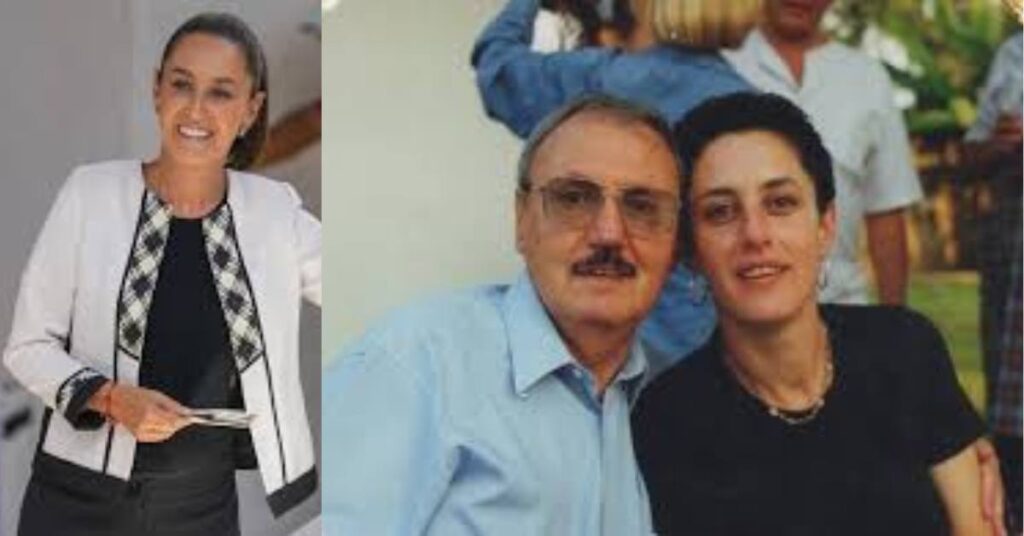
Carlos and Annie raised three children — Claudia, Julio, and Adriana Sheinbaum. They emphasized science, responsibility, and community awareness consistently. Furthermore, they encouraged their children to question systems and seek evidence-based answers always.
The family engaged actively with progressive ideas and community issues. Carlos had connections to leftist intellectual circles, including communist youth circles during earlier decades. As a result, political consciousness became a natural part of family conversations.
Carlos Sheinbaum Yoselevitz and Claudia Sheinbaum
Influence on Claudia Sheinbaum’s Upbringing
Claudia Sheinbaum, now President of Mexico, grew up shaped by her father’s values. His love for science directly influenced her path into chemical engineering and environmental research. Moreover, his ethical leadership modeled what responsible public service looks like practically.
Carlos never pushed his children toward politics directly. However, he built an environment where civic responsibility felt natural and necessary. Consequently, Claudia carried those values into government leadership at the highest level.
Intellectual and Cultural Impact
He raised Claudia inside a home that celebrated scientific inquiry and honest debate. This intellectual environment produced a climate researcher and future national leader. Furthermore, his Ashkenazi Jewish heritage gave Claudia a deep understanding of resilience and identity.
His legacy lives in how she governs, prioritizes science, and approaches public welfare. Therefore, studying carlos sheinbaum yoselevitz provides genuine insight into Claudia’s leadership philosophy. The father’s story explains much about the president’s character today.
Cultural Heritage and Historical Identity
European Jewish Roots and Migration to Mexico
The Yoselevitz family carried deep European cultural roots to the Americas. Their Lithuanian Jewish family background connected them to centuries of scholarship and community tradition. Moreover, migration to Mexico required courage, adaptability, and strong communal solidarity.
Jewish communities in Mexico City and Guadalajara built vibrant cultural institutions over generations. They preserved language, tradition, and identity while fully integrating into Mexican society. Carlos represented that successful balance of heritage and national belonging proudly.
Identity, Politics, and Social Context
Carlos moved through Mexican society as both an insider and a cultural bridge. His Jewish cultural identity coexisted naturally with his Mexican national pride. Furthermore, his connections to the Mexican Communist Party through early community circles reflected his social justice values.
He believed that industry had a responsibility to society beyond profit. Therefore, his political and cultural views consistently aligned with his professional practices. This integrity made him a respected voice across multiple communities simultaneously.
Legacy and Long-Term Influence
Contribution to Industry and Society
Carlos left a measurable mark on Mexico’s industrial landscape. Sintacrom de México continued operating as a respected business after his passing. Moreover, the Mexican Federation of Leather Chemists and Technicians carried forward the professional standards he helped build.
His contributions to industrial modernization influenced how the leather sector approached chemistry and sustainability. Additionally, his mentorship of younger engineers created a lasting chain of professional excellence. His impact extended well beyond his own lifetime.
Influence Across Generations
His three children — Claudia, Julio, and Adriana Sheinbaum — each reflect his values in different ways. Claudia Sheinbaum’s leadership influence on Mexican politics traces directly back to her father’s household. Furthermore, his grandchildren inherit a legacy of intellectual ambition and ethical commitment.
Family legacy in the Sheinbaum household is not accidental. It is the deliberate result of decades of intentional parenting and value-building. As a result, his influence continues shaping Mexican public life well into 2026.
Net Worth and Historical Financial Context
Carlos built financial stability through consistent industrial work rather than speculation. His wealth reflected steady business success inside the Mexican industrial sector. Furthermore, Sintacrom’s growth corresponded directly with broader industrial growth in Mexico during his most active decades.
He used his resources to support community development and professional organizations. His approach to wealth aligned with ethical business practices and collective benefit. Consequently, his financial legacy is better measured in social impact than personal accumulation.
Lesser-Known Facts About Carlos Sheinbaum Yoselevitz
Here are some rarely discussed details that add depth to his story:
- He maintained active membership in professional organizations throughout his entire career.
- His connections to the Mexican Communist Party reflected early idealism, not formal long-term membership.
- He supported philanthropy and mentorship for young engineers entering the field.
- His work contributed specifically to local economies in Jalisco through Sintacrom’s operations.
- He held deep interest in cultural preservation within Mexico’s Jewish community.
These facts reveal a man whose influence extended beyond his laboratory and boardroom significantly.
Why People Search for Carlos Sheinbaum Yoselevitz
Public interest in him surged after December 23, 2025, when Claudia Sheinbaum’s presidency gained major international attention. People naturally sought to understand her roots, values, and upbringing. Moreover, his Ashkenazi Jewish heritage and immigrant story fascinate historians and cultural researchers alike.
His combination of industrial leadership, social activism, and family devotion makes him a compelling historical figure. Therefore, searches continue growing as more people explore the foundations of Claudia Sheinbaum’s leadership influence on Mexico.
Frequently Asked Questions (FAQs)
Who was Carlos Sheinbaum Yoselevitz?
He was a Mexican chemical engineer, industrialist, and founder of Sintacrom de México. He was also the father of President Claudia Sheinbaum.
What was his nationality?
He was Mexican by nationality and citizenship. Furthermore, he held Ashkenazi Jewish heritage through his Lithuanian Jewish family ancestry.
What is his connection to Claudia Sheinbaum?
He is her father. His values, scientific passion, and ethics directly shaped her leadership approach and worldview.
What was his professional background?
He specialized in chemical engineering and leather tanning chemicals. He founded and ran Sintacrom de México, S.A. de C.V. for decades.
What was his heritage and ancestry?
His family descended from Lithuanian Jewish immigrants who arrived in Mexico in the early 1900s. He maintained strong Jewish cultural identity throughout his life.
Why is he important today?
He shaped the values of Mexico’s current president. Moreover, his industrial and cultural contributions remain relevant to Mexican industrial sector history.
Conclusion
Carlos Sheinbaum Yoselevitz was far more than a father of a president. He was a dedicated Mexican chemical engineer who transformed the leather tanning industry through innovation and ethics. His Ashkenazi Jewish heritage grounded him in values of resilience, education, and community service. He built Sintacrom de México into a respected industrial company.
Furthermore, he raised children who carry his intellectual and ethical legacy proudly into public life. His story represents the best of immigrant contribution to Mexican society and leadership. Therefore, studying his life offers genuine insight into the roots of one of Mexico’s most important modern figures.

Jack Kingston is the founder and lead writer of BreakingVibrant, with 8 years of experience covering celebrity careers, net worth analysis, and entertainment biography. His research combines public financial disclosures, verified media interviews, and cross-referenced industry data to deliver accurate celebrity profiles.